

Virtual Worlds
By way of an introduction
My original introduction went like this:
Look around the world of computer applications today, and notice how many applications now tend towards 3D. This is especially true in games (3D games pretty much dominate the market), but is also becoming apparent in other areas [Citation needed!]
My own view, and I'm not alone is this, is that interacting with other people through 3D is going to become the norm over the next few years, and eventually might become as significant a part of the internet landscape as the world-wide web is today.
There are already a suprising number of virtual worlds out there. Second Life is probably the most well-known one, but not only is it not alone, it wasn't even the first. Second Life's significant contribution was to create a system which allowed it's users to actually build their own creations in the world.
The passage of time has rather made of mockery of all that. There have been recent attempts to revive the virtual worlds idea, most notably Facebook's catastrophically disastrous Metaverse, whose only enduring impact was to change Facebook's name to Meta. Hilarious in hindsight.
Second Life, meanwhile, still trundles on. Linden Lab continues to make improvements to it, to relatively impressive effect.
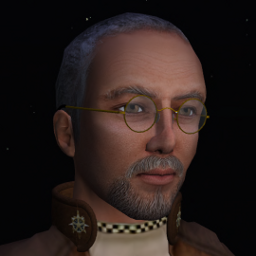
I've been a resident (that's what they call us) in Second Life since 2004, under the name Erich Templar. If you're a resident there, look me up.
I run a small store, Templar Creations, making and selling textures for builders in Second Life, and I have a separate blog for that.